A History of Mistrust
A History of Mistrust
Description
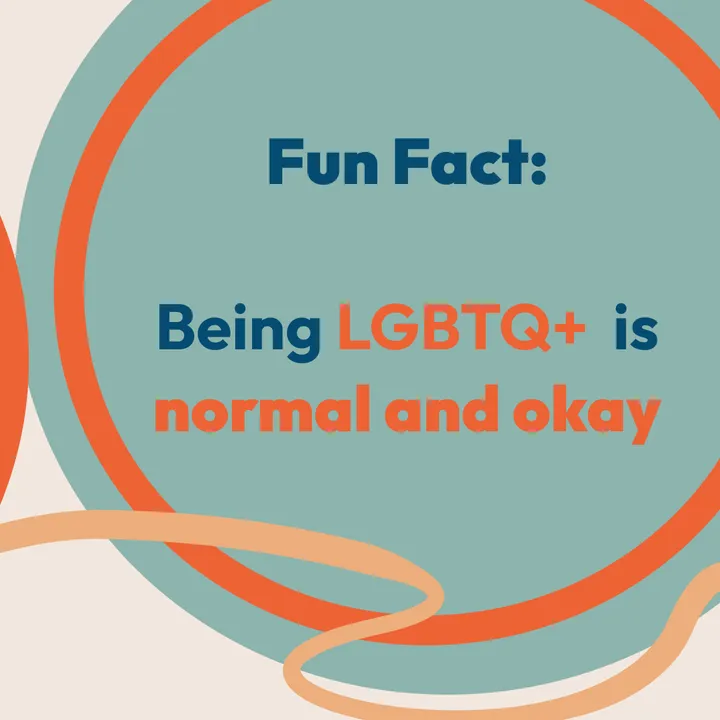
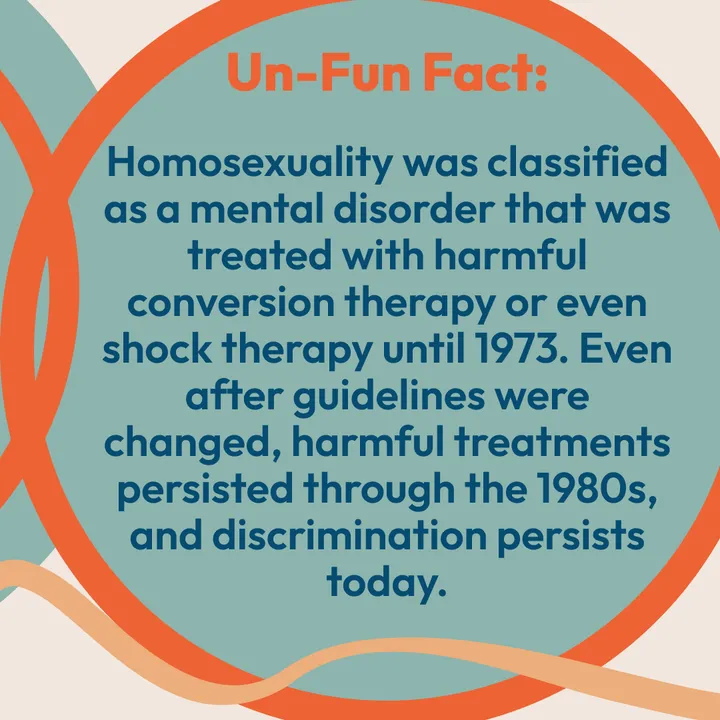
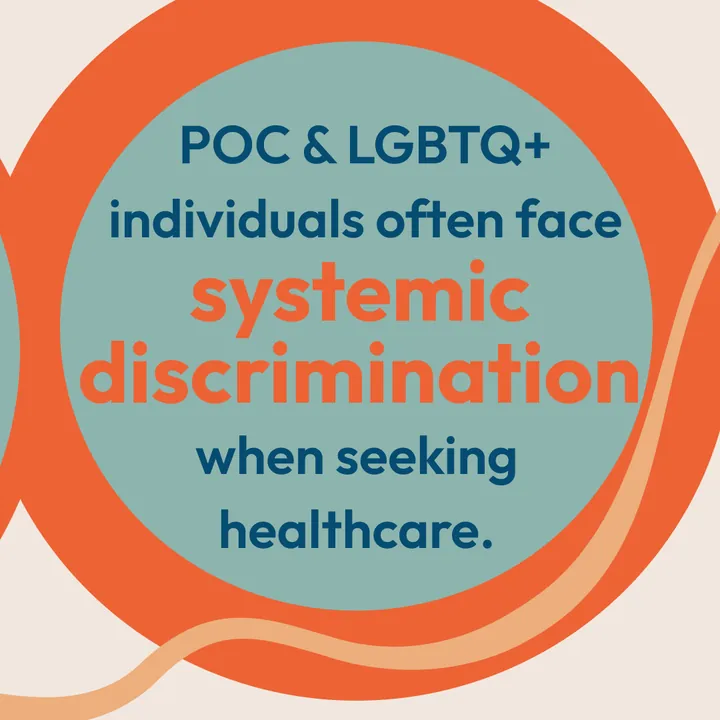
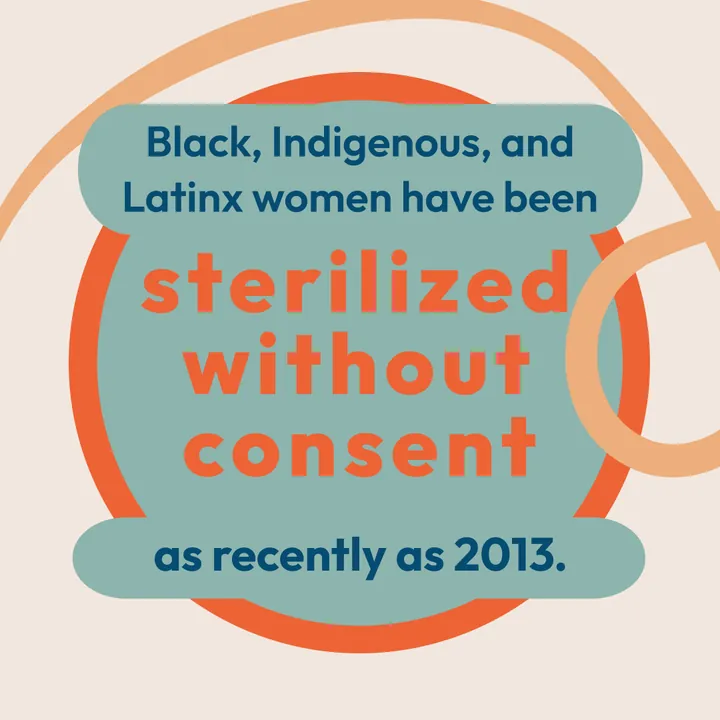
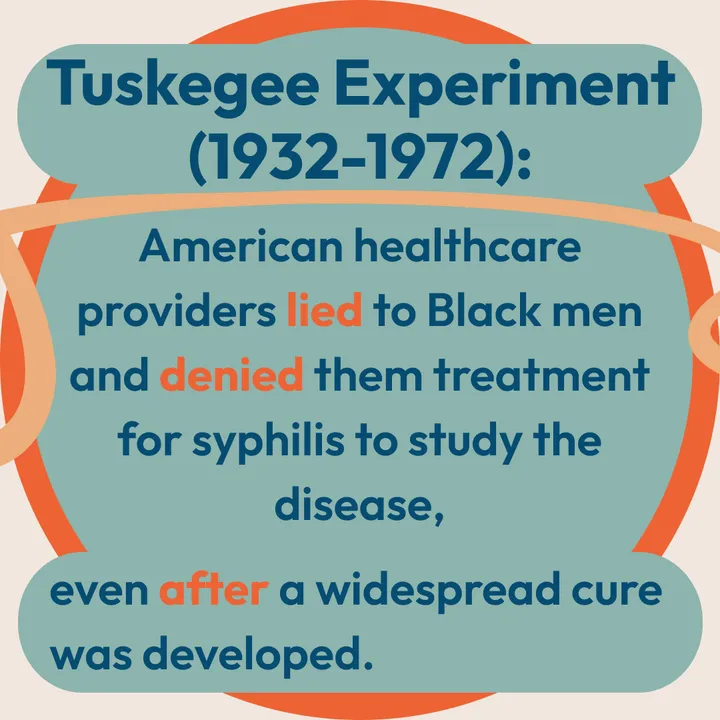
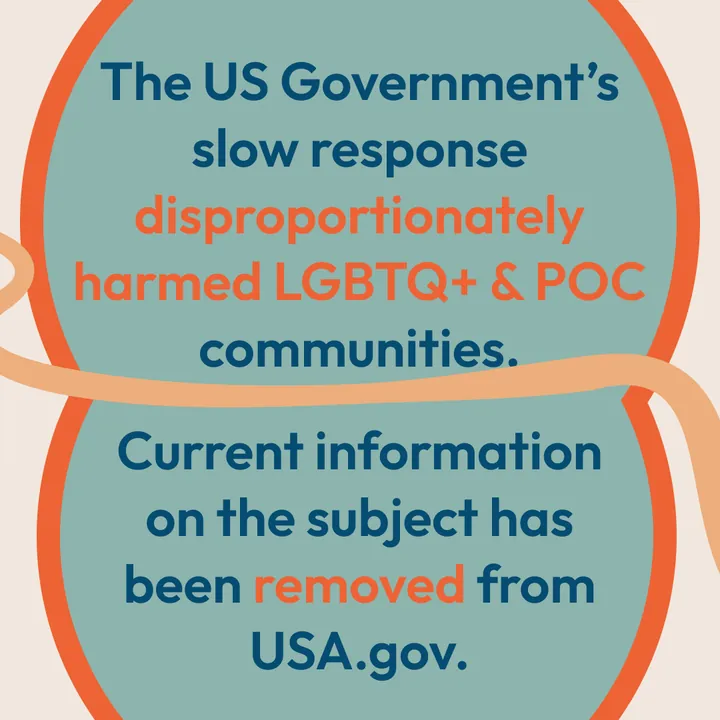
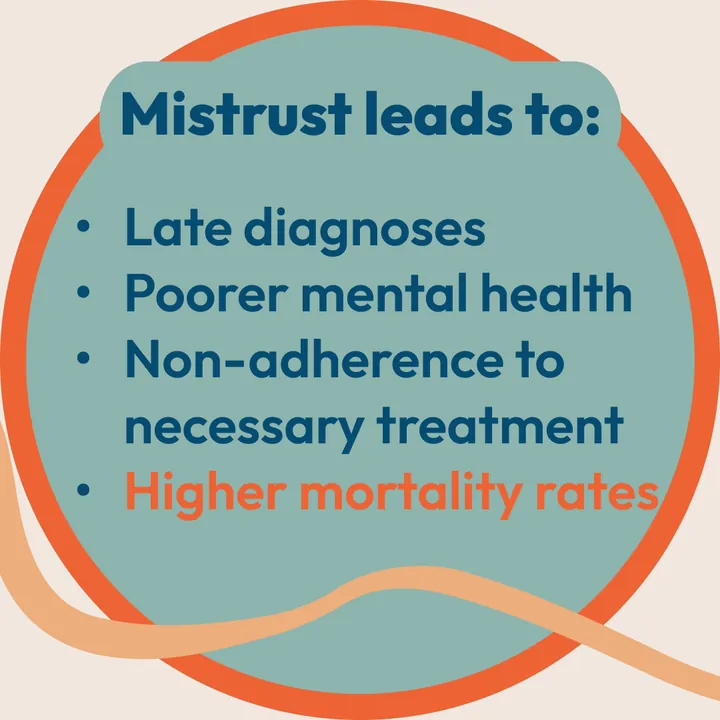
A 30-slide Instagram carousel series, in three sets of 10, on the roots and ripple effects of medical mistrust: the Tuskegee syphilis study, the stigma of the HIV/AIDS era, LGBTQ+ health disparities today, and the community-led care offering a way forward. I made it at every stage, from the research and sources to the writing, the moodboard and storyboards, and the final slide design in Figma.
Tools
- Figma
Slideshow
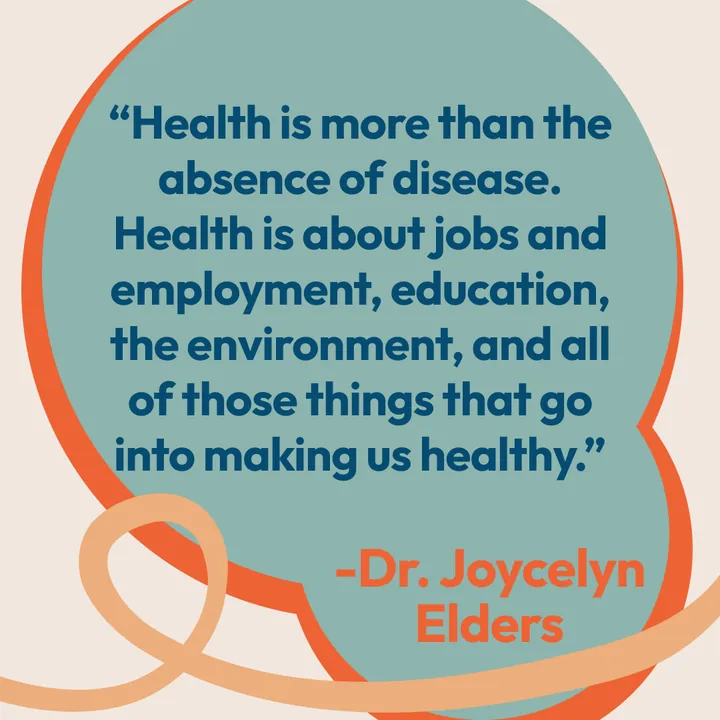
Slide 1 of 10
Slide 1 of 10, Set 1
All Slides
Set 1
Set 2
Set 3
Moodboard & Storyboard

MoodboardVisual research and reference

StoryboardLayout and flow planning
Sources & Bibliography
- AIDSVu. (2024). AIDSVu Releases 2024 PrEP Use Data. Emory University Rollins School of Public Health. Link
- Alsan, M., Garrick, O., & Graziani, G. C. (2019). Does Diversity Matter for Health? Experimental Evidence from Oakland. American Economic Review, 109(12), 4071-4111. Link
- American Medical Association (AMA). (2023). Physicians can realize their power to advance health equity. National Health Equity Grand Rounds. Link
- Association of American Medical Colleges (AAMC). (2005). Cultural Competence Education. Link
- California State Auditor. (2014). Sterilization of Female Inmates: Some Inmates Were Sterilized Following Violations of State Law and Established Policies and Procedures. Link
- Centers for Disease Control and Prevention (CDC). (2024). Breast Cancer Among Young Women. Link
- Centers for Disease Control and Prevention (CDC). (2024). HIV Diagnoses. Link
- Centers for Disease Control and Prevention (CDC). (2024). The Untreated Syphilis Study at Tuskegee Timeline. Link
- CNET. (2025). How to access important health info that's been scrubbed from the CDC site. Link
- Dick, B. (2024). When Homosexuality Stopped Being a Mental Disorder in the DSM. National Alliance on Mental Illness (NAMI). Link
- Georgia State University Library. (n.d.). Reagan's Response. Out in the Archives: Documenting LGBTQ History. Link
- Hoffman, K. M., Trawalter, S., Axt, J. R., & Oliver, M. N. (2016). Racial bias in pain assessment and treatment recommendations, and false beliefs about biological differences between blacks and whites. Proceedings of the National Academy of Sciences, 113(16), 4296-4301. Link
- Kaiser Family Foundation (KFF). (2023). Access Uncertain for New Injectable PrEP As the Affordable Care Act's (ACA) Open Enrollment Begins. Link
- Kaiser Family Foundation (KFF). (2023). LGBT Adults' Experiences with Discrimination and Health Care Disparities. Link
- Lambda Legal. (2010). When Health Care Isn't Caring: Lambda Legal's Survey of Discrimination Against LGBT People and People with HIV. Link
- MacCarthy, S., et al. (2022). The Benefit of Affirming Care for LGBTQ+ Population Health. AcademyHealth / MedRxiv. Link
- National Center for Transgender Equality & National LGBTQ Task Force. (2011). Injustice at Every Turn: A Report of the National Transgender Discrimination Survey. Link
- NIH National Library of Medicine. (2024). Medical Mistrust Becomes a Social Determinant of Health, Leading to Health Inequities. Link
- Price, G. N., & Darity, W. A. (2020). Did North Carolina Economically Breed-Out Blacks During its Historical Eugenic Sterilization Campaign? American Review of Political Economy. Link
- Trepka, M. J., et al. (2016). Delayed HIV diagnosis among men who have sex with men. Link
- U.S. General Accounting Office. (1976). Formulation of the Indian Health Service. Native Voices Timeline. Link
- UNAIDS. (2024). Global HIV statistics. Link
- Whitman-Walker Institute. (2022). Whitman-Walker Institute and Partners Release First Research on Trans and Nonbinary Health. Link
- American Psychiatric Association. Working with LGBTQ Patients. Link
- NAMI San Bernardino. When Homosexuality Stopped Being a Mental Disorder in the DSM. Link
- PMC - NIH. Out of DSM: Depathologizing Homosexuality. Link
- Annual Reviews. History and Iatrogenic Effects of Conversion Therapy. Link
- Psychology Town. Homosexuality: From Pathology to Acceptance. Link
- PMC. R. Spitzer and the depathologization of homosexuality: some considerations on the 50th anniversary. Link
- AACN. Caring for LGBTQ+ Patients in Critical and Progressive Care. Link
- PMC. Broken down by bias: Healthcare biases experienced by BIPOC and LGBTQ+ patients. Link
- Brandeis ScholarWorks. The Illegitimacy of Sterilization: The Merging of Welfare and Eugenics in North Carolina, 1929-2015. Link
- Lawrence, J. (2000). The Indian Health Service and the Sterilization of Native American Women. The American Indian Quarterly, 24(3), 400-419. Link
- Government Accountability Office (GAO). HRD-77-3 Investigation of Allegations Concerning Indian Health Service. Link
- PBS. Unwanted Sterilization and Eugenics Programs in the United States. Link
- PMC. California's Sterilization Survivors: An Estimate and Call for Redress. Link
- Prison Policy. "If They Hand You a Paper, You Sign It": A Call to End the Sterilization of Women in Prison. Link
- Stern, A. M. (2005). STERILIZED in the Name of Public Health. Race, Immigration, and Reproductive Control in Modern California. American Journal of Public Health, 95(7), 1128-1138. Link
- PMC. STERILIZED in the Name of Public Health: Race, Immigration, and Reproductive Control in Modern California. Link
- Embryo Project Encyclopedia. The Tuskegee Syphilis Study (1932–1972). Link
- PMC. Fiftieth Anniversary of Uncovering the Tuskegee Syphilis Study: The Story and Timeless Lessons. Link
- CDC. About The Untreated Syphilis Study at Tuskegee. Link
- Reagan Presidential Library. The President's News Conference. Link
- Swarthmore College. Silence From the Great Communicator: The Early Years of the AIDS Epidemic Under the Reagan Administration. Link
- CIDRAP. Removal of pages from CDC website brings confusion, dismay. Link
- PMC. Rewriting women's health: a content analysis of the Trump administration's revisions to womenshealth.gov. Link
- PMC. Medical Mistrust: A Concept Analysis. Link
- PMC. Medical mistrust, racism, and delays in preventive health screening among African-American men. Link
- Health Affairs. Challenges To Reducing Discrimination And Health .... Link
- PMC. PrEP-Related Medical, Structural and Institutional Mistrust among a Socioeconomically Diverse Sample of Black, Latine, Asian, and White Young Sexual Minority Men. Link
- PMC. Medical Mistrust Among Black Patients with Serious Illness: A Mixed Methods Study. Link
- CDC. HIV Diagnoses, Deaths, and Prevalence | HIV Data. Link
- AIDSVu. AIDSVu Releases New PrEP Data and Launches PrEPVu.org. Link
- AIDSVu. AIDSVu Releases New Data Highlighting Ongoing Inequities in PrEP Use. Link
- Health Affairs. Estimating The Impact Of Out-Of-Pocket Cost Changes On Abandonment Of HIV Pre-Exposure Prophylaxis. Link
- Satcher Institute. The Impact of HIV on Elder Black Same Gender Loving Men (SGLM). Link
- PSNet. Racial bias in pain assessment and treatment recommendations.... Link
- The Cancer Network. National Transgender Discrimination Survey Report on health and health care. Link
- Advocates for Trans Equality. National Transgender Discrimination Survey: Full Report. Link
- PMC. Identifying and Addressing Barriers to Transgender Healthcare. Link
- PubMed. Racial bias in pain assessment and treatment recommendations.... Link
- SF.gov. HIV Epidemiology Annual Report 2022. Link
- AJPH. Trends and Racial Disparities of Late-Stage HIV Diagnosis: Hawaii, 2010–2016. Link
- SEER Program. Cancer Stat Facts: Female Breast Cancer. Link
- CDC. Vital Signs: Racial Disparities in Breast Cancer Severity — United States, 2005–2009. Link
- American Cancer Society. Breast Cancer Facts & Figures 2024-2025. Link
- WHO. HIV - World Health Organization. Link
- UNAIDS. Global HIV & AIDS statistics — Fact sheet. Link
- Howard Brown Health. Community Based Research. Link
- PMC. Health Communication and Sexual Orientation, Gender Identity, and Expression. Link
- PMC. Community engagement to improve access to healthcare: a comparative case study to advance implementation science for transgender health equity. Link
- NBER. Does Diversity Matter for Health? Experimental Evidence from Oakland. Link
- Poverty Action Lab. Matching Provider Race to Increase Take-up of Preventive Health Services among Black Men in the United States. Link
- PMC. Association of Affirming Care with Chronic Disease and Preventive Care Outcomes among Lesbian, Gay, Bisexual, Transgender, and Queer Older Adults. Link
- FOLX HEALTH. Do LGBTQIA+ Health Care Providers Improve LGBTQIA+ Well-being?. Link
- AcademyHealth. The Benefit of Affirming Care for LGBTQ+ Population Health. Link
- MedEdPORTAL. Structural Competency: Curriculum for Medical Students, Residents, and Interprofessional Teams on the Structural Factors That Produce Health Disparities. Link
- PMC. A review on cultural competency in medical education. Link
- AAMC. Assessing Change: Evaluating Cultural Competence Education and Training. Link
- PMC. Cultural competency education in the medical curriculum to overcome health care disparities. Link
- The Spokesman-Review. Black Women Told To Fight On, Even When Battle Unbearable. Link
- Professional Heart Daily. Priority for Cardiovascular Health Equity among U.S. Women. Link